
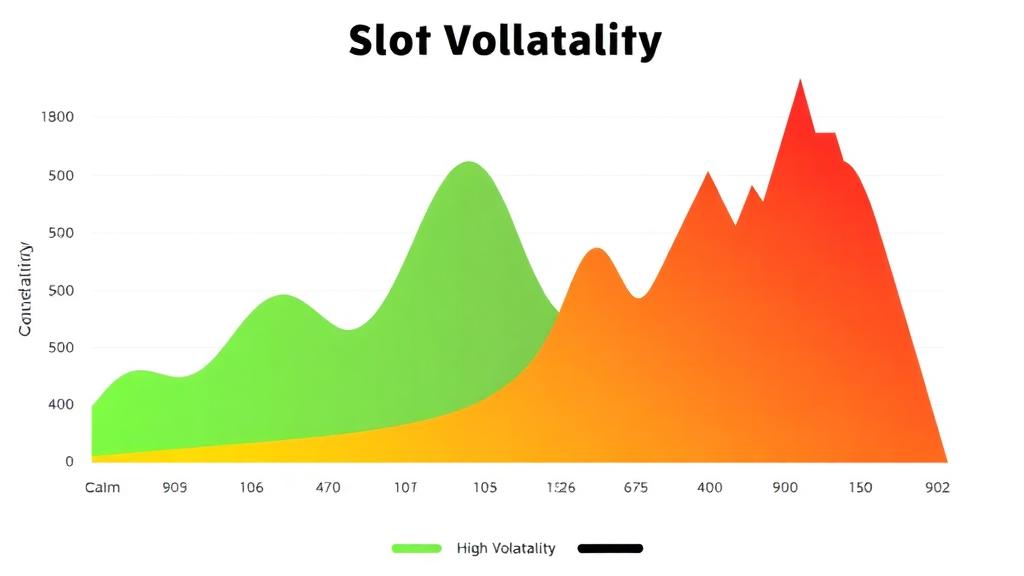
Slot volatility, also known as variance, represents the risk level inherent in a particular slot game. It determines the frequency and size of payouts you can expect over time. Think of it as the game's personality – some slots are steady and predictable, while others are wild and unpredictable, offering massive wins alongside long dry spells.
The concept originated from mathematical probability theory and has become fundamental to modern slot design. Game developers carefully calibrate volatility to create distinct player experiences, ensuring there's a perfect match for every gambling preference and bankroll size.
Understanding Low Volatility Slots: Steady Wins for Conservative Players
Low volatility slots are the tortoise in the classic fable – slow, steady, and reliable. These games typically offer frequent small wins, usually ranging from 20% to 200% of your original bet. The hit frequency (percentage of spins that result in wins) often exceeds 25%, meaning you'll see winning combinations regularly.
Characteristics of low volatility slots include:
- Frequent payouts: Wins occur every 3-5 spins on average
- Smaller multipliers: Maximum wins rarely exceed 1000x your bet
- Lower risk: Minimal chance of losing your entire bankroll quickly
- Extended gameplay: Your money lasts longer per session
- Predictable patterns: Less dramatic swings in your balance
For bankroll management, low volatility slots are ideal when you have limited funds or prefer consistent action. A general rule suggests having at least 100-200 times your bet size available. If you're betting $1 per spin, a $100-200 bankroll provides reasonable staying power.
The psychological appeal of low volatility slots cannot be understated. Regular wins, even small ones, trigger dopamine releases that maintain engagement and satisfaction. This makes them perfect for recreational players seeking entertainment rather than life-changing payouts.
Medium Volatility Slots: The Balanced Approach to Slot Gaming
Medium volatility slots represent the sweet spot for many experienced players, offering a balanced blend of win frequency and payout potential. These games typically feature hit frequencies between 15-25%, with moderate payout ranges that can reach 2000-5000x your bet size.
Key characteristics include:
- Moderate win frequency: Wins every 4-7 spins typically
- Balanced payouts: Mix of small, medium, and occasionally large wins
- Reasonable risk: Moderate bankroll fluctuations
- Versatile gameplay: Suitable for various betting strategies
- Feature frequency: Bonus rounds trigger regularly but not constantly
Bankroll requirements for medium volatility slots typically range from 200-400 times your bet size. This provides adequate cushion for the inevitable dry spells while ensuring you can capitalize on winning streaks. The increased variance means your balance will fluctuate more than with low volatility games, but the potential rewards justify the additional risk for many players.
Medium volatility slots often feature the most sophisticated bonus mechanics and engaging gameplay elements. Developers can incorporate multiple bonus features, free spins with multipliers, and progressive elements without making the games too unpredictable or too tame.
High Volatility Slots: Maximum Risk for Maximum Reward
High volatility slots are the extreme sports of casino gaming – thrilling, unpredictable, and capable of delivering both spectacular successes and devastating failures. These games feature hit frequencies often below 15%, but compensate with the potential for massive payouts exceeding 10,000x your bet.
Distinguishing features include:
- Infrequent wins: Often 10-20 spins between winning combinations
- Massive payout potential: Life-changing jackpots and multipliers
- High risk: Significant bankroll swings and potential quick losses
- Intense gameplay: Extreme emotional highs and lows
- Feature volatility: Bonus rounds are rare but extremely rewarding
Bankroll management becomes critical with high volatility slots. Experts recommend having 500-1000 times your bet size available, acknowledging that you might endure hundreds of losing spins before hitting a significant win. This requirement makes high volatility slots unsuitable for casual players or those with limited gambling budgets.
The psychological impact of high volatility gaming cannot be ignored. The extended periods without wins can be frustrating and lead to poor decision-making, such as increasing bet sizes to chase losses. Successful high volatility players develop exceptional patience and discipline, understanding that variance is an inherent part of the experience.
Strategic Bankroll Management Across Different Volatility Levels
Effective bankroll management varies dramatically depending on the volatility level you choose. Your approach should align with your risk tolerance, available funds, and gaming objectives.
For Low Volatility Slots:
- Use 1-2% of your total bankroll per spin
- Set session limits of 10-15% of your total bankroll
- Focus on entertainment value rather than profit potential
- Consider these games for warming up or cooling down sessions
- Risk 0.5-1% of your total bankroll per spin
- Allow for session bankrolls of 15-25% of your total funds
- Implement stop-loss and take-profit levels
- Track your results to identify favorable games and betting patterns
- Never risk more than 0.2-0.5% of your total bankroll per spin
- Dedicate maximum 30% of your bankroll to a single session
- Prepare mentally for extended losing streaks
- Set strict loss limits and stick to them regardless of emotions
The emergence of VR and AR in Online Casinos – Where the Technology Actually Stands in 2026 (Not the Hype) has added new dimensions to volatility consideration, as immersive technologies can intensify the psychological impact of both wins and losses.
Advanced Volatility Strategies and Professional Tips
Experienced players often employ sophisticated strategies that leverage volatility characteristics for optimal results. These approaches require discipline, patience, and thorough understanding of mathematical principles underlying slot mechanics.
The Volatility Ladder Strategy involves starting with low volatility games to build your bankroll, then gradually moving to higher volatility options as your funds grow. This approach minimizes risk while maintaining growth potential.
Session Mixing combines different volatility levels within single gaming sessions. You might begin with high volatility slots when your bankroll is fresh, then switch to lower volatility options to preserve winnings or extend gameplay when funds diminish.
Volatility Arbitrage exploits promotional offers and bonuses by matching volatility levels to specific bonus terms. Low volatility slots work best for meeting wagering requirements, while high volatility games maximize potential profits from bonus funds.
Time-Based Volatility Management recognizes that your risk tolerance changes based on circumstances. Use high volatility slots when you have ample time and emotional energy, reserving low volatility options for casual or stressed gaming sessions.
Professional players also understand the importance of casino etiquette and proper gaming behavior, especially when transitioning between different game types. Learning about Mastering Live Casino Etiquette: Essential Tips can enhance your overall casino experience as you explore various gaming options.
Advanced Bankroll Allocation involves creating separate funds for different volatility levels. This prevents high volatility losses from impacting your steady, low volatility gameplay and vice versa.
Volatility Timing considers external factors like casino promotions, jackpot sizes, and personal circumstances when selecting appropriate volatility levels. High volatility slots become more attractive when progressive jackpots reach exceptional levels.
Understanding Return to Player (RTP) percentages in conjunction with volatility provides the complete picture. A high volatility slot with 96% RTP behaves very differently from a low volatility game with identical RTP. The volatility determines how that 96% return is distributed – frequently in small amounts or infrequently in large chunks.
Successful volatility management also involves recognizing tilt and emotional states that compromise decision-making. High volatility games, in particular, can trigger emotional responses that lead to poor choices. Developing emotional awareness and control separates amateur players from serious gamblers.
Choosing the Right Volatility for Your Gaming Goals
Selecting appropriate volatility levels depends on multiple personal factors that extend beyond simple risk tolerance. Your decision should consider available time, bankroll size, emotional state, and specific objectives for each gaming session.
For Entertainment-Focused Players: Low to medium volatility slots provide optimal value. These games offer consistent action, regular wins, and extended gameplay sessions. Your primary goal is enjoyment rather than profit, making frequent payouts more valuable than occasional large wins.
For Profit-Oriented Players: Medium to high volatility slots offer superior profit potential, but require larger bankrolls and greater emotional control. These players accept higher risks in exchange for the possibility of significant returns.
For Tournament Players: Volatility selection varies based on tournament structure and your position. Early tournament stages might favor steady, low volatility accumulation, while final rounds often require high volatility risks to achieve winning positions.
For Bonus Hunters: Low volatility slots excel for meeting wagering requirements efficiently, while high volatility games maximize profit potential from bonus funds with favorable terms.
The key lies in honest self-assessment and matching volatility to your circumstances rather than chasing trends or following others' strategies. What works for a high-roller with unlimited funds may be disastrous for a recreational player with a modest budget.
Consider starting with medium volatility slots to gauge your comfort level and reaction to bankroll fluctuations. This provides valuable insights into your risk tolerance and preferences without the extremes of very low or very high volatility gaming.