
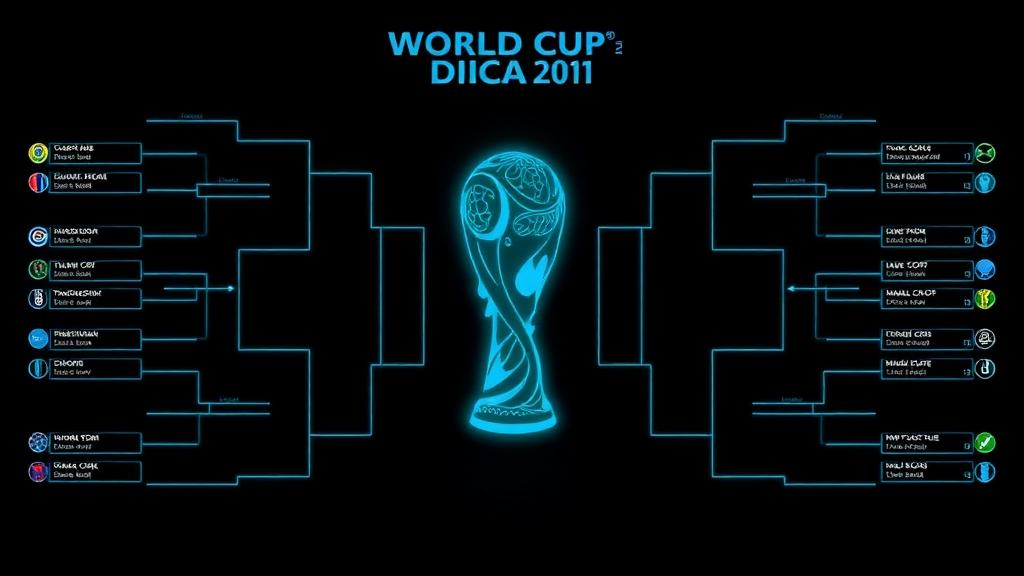
This expansion represents more than just adding 16 additional teams to the mix. The new format introduces fundamental changes to the tournament structure, qualification process, scheduling, and yes – the betting landscape. For sports enthusiasts and bettors alike, understanding these changes is crucial for making informed decisions and maximizing opportunities in what will be the largest World Cup in history.
## Understanding the New 48-Team Tournament Structure
The expanded World Cup will abandon the familiar eight groups of four teams format that has defined the tournament for over two decades. Instead, FIFA has implemented a revolutionary structure featuring 12 groups of four teams each, followed by a Round of 32 knockout stage.
Under the new system, the top two teams from each group will automatically advance to the Round of 32, joined by the eight best third-placed teams across all groups. This creates a 32-team knockout phase, effectively doubling the elimination rounds compared to the current format.
The group stage will maintain the traditional round-robin format within each group, ensuring every team plays three matches before the knockout phase begins. However, the addition of four extra groups means the tournament will feature 104 matches total – a significant increase from the current 64 matches.
This expansion serves multiple purposes beyond simply accommodating more teams. FIFA aims to provide greater global representation, increase commercial revenue, and create more opportunities for emerging football nations to compete on the world's biggest stage. The format also ensures that traditional powerhouses face increased competition from the expanded field.
For tournament organizers, the new structure necessitates extensive logistical planning. The 2026 World Cup will utilize 16 host cities across three countries, with matches spread over approximately 39 days – longer than any previous World Cup.
## How the Expanded Bracket Changes Tournament Dynamics
The introduction of a Round of 32 fundamentally alters tournament dynamics and strategic considerations for teams, coaches, and analysts. Previously, reaching the knockout stage meant immediate quarterfinal implications after just one elimination match. Now, teams must navigate an additional knockout round, creating new tactical considerations and potential for upsets.
The best third-placed team qualification system adds another layer of complexity. Teams that might have been eliminated under the 32-team format now have lifelines, potentially leading to more conservative group stage play as teams calculate scenarios for advancement. This could impact match entertainment value and betting odds calculations.
Historically, third-placed teams in World Cup groups have shown surprising resilience when given opportunities to advance. In the current format, only the four best third-placed teams from six groups advance to the Round of 16. With eight third-placed teams now advancing, we can expect increased competitiveness and unpredictability.
The extended tournament also means increased physical demands on players. Top teams could potentially play eight matches instead of the current maximum of seven, raising concerns about player fatigue and squad rotation strategies. This factor becomes particularly relevant for clubs whose players participate in the tournament, as it may impact subsequent domestic season performance.
Nations that traditionally struggle in group stages may find new hope in the expanded format. The additional advancement spots create opportunities for teams to progress despite less-than-perfect group stage performances, potentially leading to Cinderella stories and unexpected deep runs.
## Schedule and Logistics: What Bettors Need to Know
The 2026 World Cup's extended schedule creates unprecedented opportunities and challenges for sports bettors. With 40 additional matches and a tournament spanning nearly six weeks, bettors will have significantly more betting opportunities across various markets and timeframes.
The tournament will likely feature more rest days between rounds compared to previous editions, giving bettors additional time to analyze team performance, injury reports, and tactical adjustments. This extended timeline allows for more thorough research and potentially more informed betting decisions.
Group stage scheduling becomes more complex with 12 groups requiring careful coordination. FIFA must balance television broadcast considerations across multiple time zones while ensuring fair rest periods for teams. This scheduling complexity may create advantageous betting spots where teams have significantly different preparation times.
The multi-country hosting arrangement introduces unique logistical factors that savvy bettors should consider. Teams may face extensive travel between matches, potentially affecting performance levels. Climate variations between host cities – from Canadian winters to Mexican heat – could favor certain playing styles and team compositions.
Similar to how professional sports analysis has evolved, as seen in comprehensive coverage like NBA Finals 2026 Preview – Series Matchup Analysis, Key Player Battles, and Betting Guide, World Cup betting analysis will require deeper statistical modeling and performance tracking across the expanded tournament format.
Live betting opportunities will increase substantially with more matches and potentially closer contests due to the expanded field. The additional knockout round creates more elimination scenarios and dramatic moments that live bettors can capitalize on.
## Betting Market Evolution and New Opportunities
The 48-team format introduces numerous new betting markets and opportunities that didn't exist in the previous structure. Long-term tournament betting becomes more complex and potentially more profitable for knowledgeable bettors who can identify value in the expanded field.
Outright winner betting will likely see odds distributed across more teams, creating potential value opportunities on nations that might not have qualified under the 32-team format. Dark horse betting becomes particularly intriguing with 16 additional teams bringing fresh narratives and unknown quantities.
Group betting markets expand significantly with 12 groups instead of eight. Bettors can now specialize in specific groups or regions, developing expertise in particular confederations or playing styles. The best third-placed team market creates an entirely new betting category with complex calculations and cross-group dependencies.
Player performance betting gains additional significance with more matches and potential for breakthrough stars from expanded nations. Golden Boot betting becomes more unpredictable with players from non-traditional football powers having additional opportunities to make their mark.
The tournament's extended timeline allows for more sophisticated in-play betting strategies. Bettors can observe team form development over the longer group stage period and adjust knockout round strategies accordingly. This extended observation period may favor analytical bettors who excel at identifying trends and momentum shifts.
As the sports betting industry continues evolving with sustainability considerations, similar to trends observed in The Sustainability Push in iGaming – Green Servers, Ethical AI, and Operator ESG Commitments, World Cup betting platforms will likely introduce more sophisticated analytical tools and responsible gambling features for the expanded tournament.
## Strategic Considerations for Successful World Cup Betting
Successful betting on the expanded World Cup format requires adapting traditional strategies to account for new variables and opportunities. The increased number of teams means more unknown quantities and potential value opportunities for prepared bettors.
Researching qualification processes becomes more critical with 16 additional teams. Understanding how teams qualified, their recent form, and their experience on the international stage provides crucial context for early betting decisions. Some teams may reach the World Cup through expanded qualification spots, potentially affecting their competitive level.
Bankroll management takes on increased importance with 40 additional matches. The temptation to bet on numerous games requires disciplined approach and careful stake allocation across the extended tournament period. Setting aside specific portions of betting bankrolls for different tournament phases helps maintain long-term profitability.
Team motivation analysis becomes more complex with the new advancement structure. Understanding how teams approach group stage matches when multiple advancement paths exist requires deeper tactical knowledge and situational awareness.
Weather and travel factors gain prominence in the multi-country format. Teams traveling between significantly different climates may experience performance impacts that create betting opportunities for prepared analysts. Monitoring team travel schedules and acclimatization periods provides potential edges.
The extended knockout phase means teams need deeper squads to handle potential extra time and penalty situations across more rounds. Analyzing squad depth and rotation capabilities becomes crucial for knockout stage betting success.
## Preparing for the Future of World Cup Betting
As we approach the 2026 World Cup, bettors must prepare for a fundamentally different tournament experience. The expanded format creates opportunities for those who adapt their strategies while maintaining the core principles of successful sports betting.
Data analysis becomes more valuable with increased sample sizes and match variety. Building comprehensive databases of team performance metrics, player statistics, and tactical tendencies across the expanded field will separate successful bettors from casual participants.
The new format may reveal inefficiencies in betting markets as sportsbooks adjust to the expanded structure. Early identification of these inefficiencies, particularly in newer betting markets created by the format change, could provide significant advantages.
Understanding the psychological aspects of the expanded tournament helps identify betting value. Teams may approach matches differently knowing additional advancement opportunities exist, potentially affecting traditional performance patterns and creating unexpected results.
The 48-team World Cup represents evolution in football's premier tournament, bringing new challenges and opportunities for players, fans, and bettors alike. Success in this new era requires combining traditional football knowledge with innovative analytical approaches suited to the expanded format.