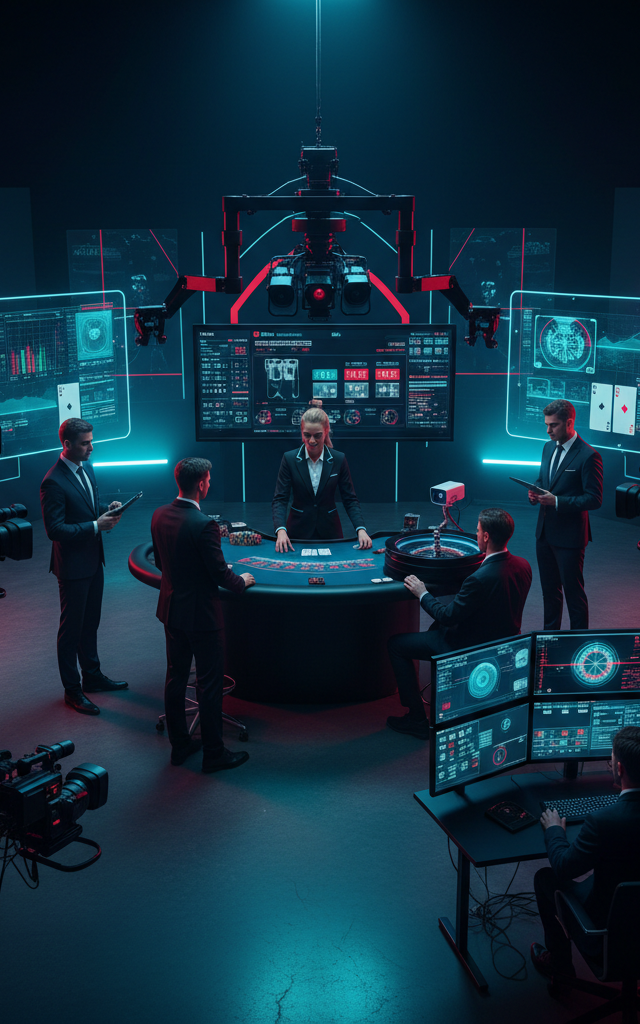
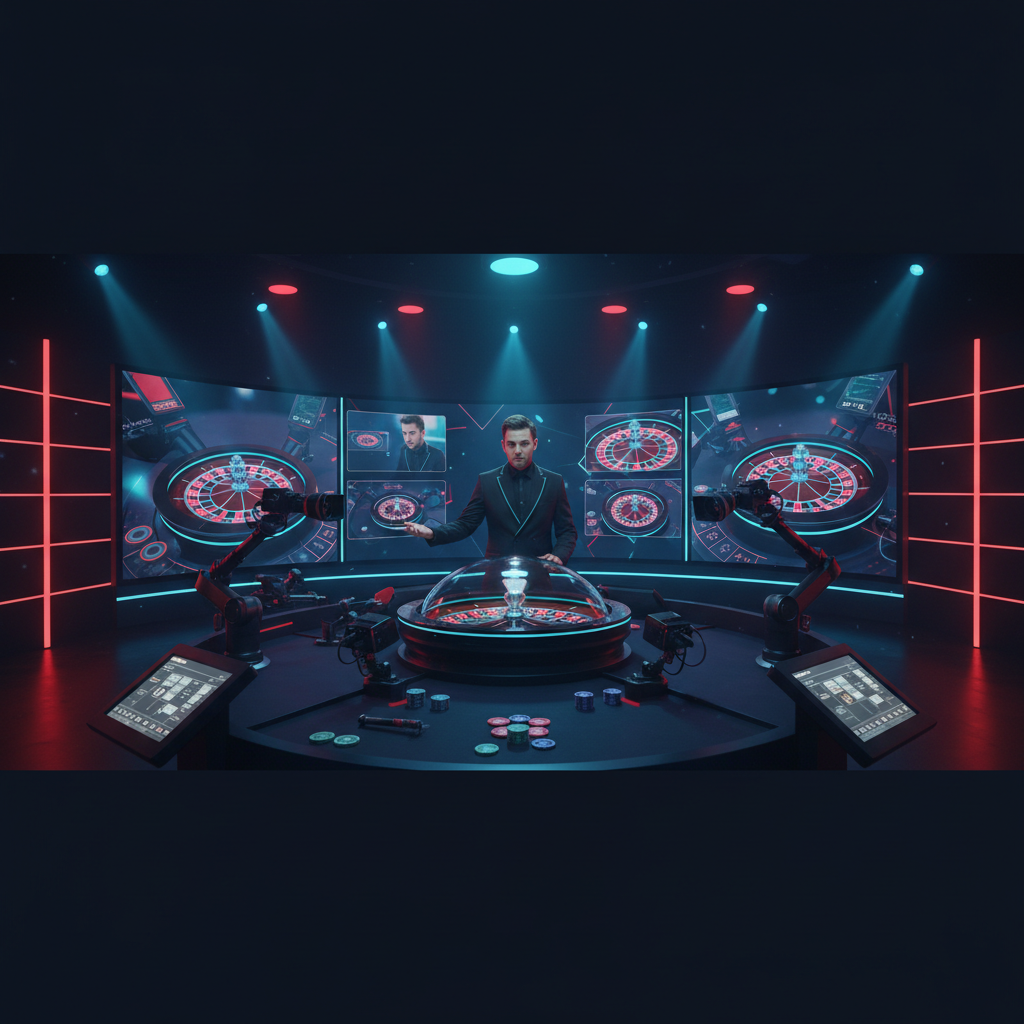
Immersive roulette represents the pinnacle of live dealer gaming evolution, offering an unparalleled level of visual sophistication and interactive engagement that bridges the gap between land-based and online casinos. Unlike traditional live roulette streams that rely on static camera positions, immersive versions employ multiple high-definition cameras, cinematic effects, and real-time switching to create a truly theatrical gaming experience.
## What Sets Immersive Roulette Apart from Traditional Live Games
The fundamental difference between immersive roulette and standard live dealer games lies in the production value and technological sophistication. While conventional live roulette typically uses one or two fixed camera angles, immersive variants employ up to 15 different camera positions strategically placed around the table to capture every angle of the action.
The game flow incorporates dramatic slow-motion sequences during the crucial ball-landing moments, allowing players to experience the tension and excitement in unprecedented detail. These sequences are shot in ultra-high definition, often at 200 frames per second, creating a cinematic quality that rivals professional sports broadcasts.
Audio design plays an equally crucial role, with immersive roulette featuring carefully crafted soundscapes that include ambient casino sounds, wheel mechanics, and subtle musical elements that build anticipation during key moments. The dealers are specifically trained to work within this enhanced production environment, understanding how their movements and interactions translate through multiple camera angles.
The betting interface has also evolved significantly, featuring more intuitive controls and enhanced visual feedback systems. Players can access detailed statistics, hot and cold number tracking, and historical data presentations that feel more like professional gaming applications than traditional casino interfaces.
## The Science Behind Strategic Camera Positioning and Visual Psychology
Camera angle selection in immersive roulette is far from arbitrary – it's based on extensive research into visual psychology and viewer engagement patterns. Each camera position serves a specific purpose in maintaining player attention and enhancing the perceived authenticity of the gaming experience.
The primary table camera provides the traditional overview that players expect, establishing spatial relationships and allowing for comfortable bet placement. Secondary cameras focus on the wheel mechanism, capturing the precise moment when the ball settles into a pocket with crystal-clear detail. Close-up shots of the dealer's hands add a human element that builds trust and connection.
Perspective cameras positioned at player-eye level create the illusion of sitting at a physical table, while overhead shots provide strategic viewing angles for analyzing betting patterns and wheel sectors. The seamless transitions between these viewpoints are choreographed to match the natural rhythm of roulette gameplay, switching automatically based on game phases.
The slow-motion sequences serve multiple psychological functions beyond mere entertainment value. They extend the anticipation period, allowing the brain's reward systems to build excitement before resolution. This extended tension creates a more memorable gaming experience and increases player engagement levels significantly compared to standard-speed gameplay.
Lighting design works in harmony with camera positioning, using warm tones during social interaction periods and cooler, more focused lighting during result determination phases. This subtle environmental manipulation influences player mood and attention without being consciously noticed.
## Technology Infrastructure and Production Standards
The technical requirements for producing high-quality immersive roulette are substantial, demanding professional-grade equipment and sophisticated streaming infrastructure. Studios typically employ multiple 4K cameras with specialized lenses designed for close-up detail work and wide-angle establishing shots.
Real-time video processing systems handle the complex task of switching between camera feeds while maintaining consistent color grading, focus, and exposure levels. These systems must operate with minimal latency to preserve the live gaming experience that players expect from dealer-based games.
Network infrastructure becomes critical when streaming multiple high-definition video feeds simultaneously to potentially thousands of concurrent players. Advanced compression algorithms and adaptive bitrate streaming ensure that players with varying internet connection speeds can access the full immersive experience.
The production control room resembles a television broadcast facility, with dedicated operators managing camera switches, audio levels, and visual effects in real-time. Directors coordinate the overall presentation flow, ensuring that camera changes enhance rather than distract from the gaming experience.
Quality control systems monitor every aspect of the production continuously, automatically detecting and correcting issues like focus problems, lighting inconsistencies, or audio imbalances before they affect the player experience. Backup systems and redundant equipment ensure uninterrupted gameplay even during technical difficulties.
Just as Provider Spotlight: Hacksaw Gaming – Their Design Philosophy, Signature Mechanics, and Best Titles demonstrates how innovative game developers push creative boundaries in slot gaming, immersive roulette represents the live casino industry's commitment to technological advancement and player experience enhancement.
## Target Demographics and Player Preferences
Immersive roulette appeals most strongly to players who value visual sophistication and cinematic presentation in their gaming experiences. This demographic typically includes technology-savvy individuals who appreciate high-production value entertainment and are willing to engage with premium gaming products.
Experienced casino players often gravitate toward immersive variants because the enhanced visual details allow for better observation of wheel patterns, dealer behaviors, and game flow nuances that might influence their betting strategies. The multiple camera angles provide information that would be available to players sitting at different positions around a physical table.
Younger demographics, particularly those aged 25-40, show strong preference for immersive gaming experiences that feel more like interactive entertainment than traditional gambling. These players often come from backgrounds of high-quality video gaming and streaming media consumption, setting higher expectations for visual presentation quality.
Conversely, traditional casino players who prefer straightforward, no-frills gaming experiences might find immersive roulette unnecessarily complex or distracting. Players who focus primarily on rapid gameplay and frequent betting cycles may prefer standard live dealer games with simpler interfaces and faster resolution times.
High-stakes players often appreciate the premium feel and exclusive atmosphere that immersive roulette tables typically provide. The enhanced production values signal quality and professionalism that aligns with their expectations for luxury gaming experiences.
The importance of professional presentation extends beyond technology to human elements, as explored in What Makes a Great Live Casino Dealer – Training, Personality, and the Human Element Behind the Camera. Dealers in immersive roulette environments require specialized training to work effectively within complex technical setups while maintaining natural, engaging interactions.
## Strategic Considerations and Optimal Usage Scenarios
Immersive roulette performs exceptionally well in specific gaming scenarios while potentially offering diminished value in others. Understanding these optimal usage contexts helps players make informed decisions about when to choose immersive variants over standard alternatives.
For recreational gaming sessions where entertainment value takes precedence over rapid-fire betting, immersive roulette provides unmatched engagement levels. The cinematic presentation and detailed visual information create an immersive experience that can easily occupy extended playing sessions without monotony.
Social gaming contexts benefit significantly from immersive presentation, as the enhanced visual quality and multiple viewing angles create natural conversation topics among players. The chat functionality becomes more engaging when players can reference specific visual details they're observing together.
Educational scenarios where new players are learning roulette mechanics benefit enormously from the detailed camera work and slow-motion sequences. Beginning players can observe wheel physics, ball behavior, and dealer techniques with clarity impossible in standard gaming environments.
Mobile gaming presents interesting challenges for immersive roulette, as the multiple camera angles and detailed visual elements require larger screens for optimal appreciation. Tablet devices often provide the ideal compromise between portability and visual real estate for immersive gaming experiences.
Bankroll management considerations become important since immersive roulette tables often feature higher minimum bets than standard variants, reflecting their premium positioning and higher operational costs. Players should factor these requirements into their session planning and budget allocation decisions.
According to the UK Gambling Commission, live dealer games continue showing strong growth in player adoption, with immersive variants representing a significant portion of premium gaming engagement across regulated markets.
## Future Evolution and Industry Impact
The success of immersive roulette has influenced broader industry trends toward higher production values and more sophisticated presentation standards across all live dealer gaming categories. This elevation in quality expectations has created positive competitive pressure that benefits players through continuously improving gaming experiences.
Virtual reality integration represents the next logical evolution for immersive gaming, with several major providers already developing VR-compatible roulette experiences that build upon the camera work and presentation techniques pioneered in current immersive games.
Artificial intelligence applications in camera control and scene composition are beginning to emerge, potentially allowing for personalized viewing experiences that adapt to individual player preferences and betting patterns over time.
The technical standards and production methodologies developed for immersive roulette are being adapted for other table games, including blackjack, baccarat, and poker variants, creating a new tier of premium live gaming experiences across multiple game categories.
Player feedback and engagement metrics from immersive roulette implementations provide valuable data for understanding how visual presentation affects gaming behavior, informing future developments in both live dealer and virtual gaming categories.