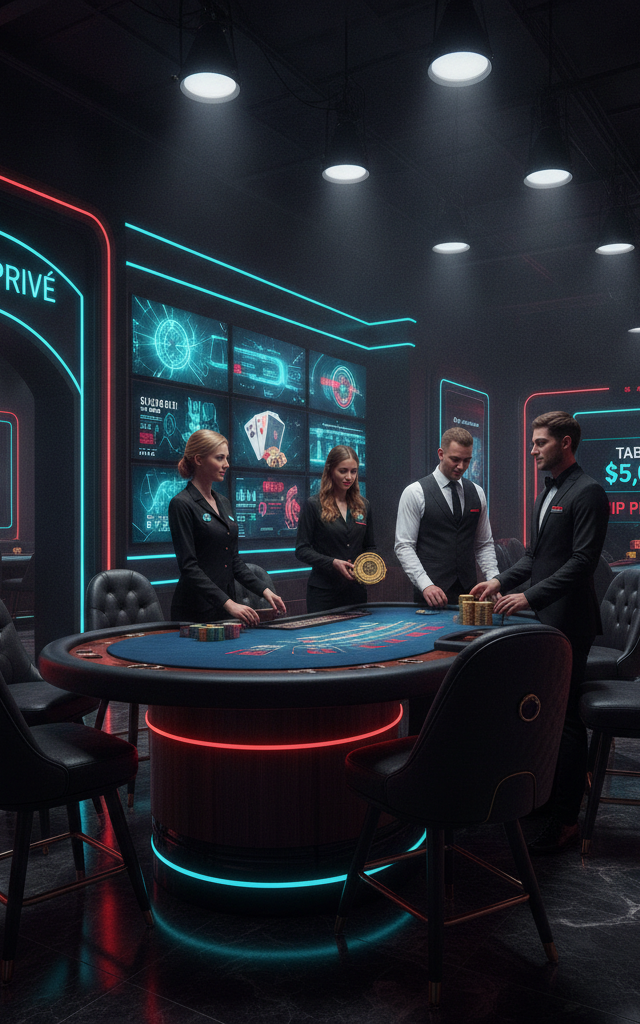

From the humble beginnings of grainy video streams and connection issues to the crystal-clear 4K broadcasts and interactive features of modern live casinos, this journey represents one of the most significant innovations in the gambling industry. Understanding this evolution helps us appreciate not only how far we've come but also where the industry is heading as we move further into 2026. Players exploring the broader live casino and bingo landscape often look beyond a single brand — for example, this guide to Heart Bingo sister sites and related UK bingo brands shows how operators share licences, platforms and live studios across multiple sites.
The Pioneering Days: Live Dealer Casinos in 2006-2010
The concept of live dealer casinos emerged in the mid-2000s as online gambling operators sought to recreate the authentic casino atmosphere that traditional online games couldn't provide. The first live dealer platforms launched around 2006, utilizing basic webcam technology that delivered choppy, low-resolution video feeds to players' computers.
These early implementations were far from perfect. Players frequently experienced connection drops, audio sync issues, and video quality that made it difficult to clearly see cards being dealt or roulette wheels spinning. The streaming technology of the time simply wasn't robust enough to handle the demands of real-time casino gaming, yet these primitive systems laid the foundation for what would become a multi-billion-dollar industry.
The initial games were limited to basic blackjack and roulette, with dealers working from makeshift studios that often resembled converted offices rather than professional casino environments. Despite the technical limitations, early adopters recognized the potential of this hybrid approach that combined the convenience of online gaming with the human interaction and trust factors of traditional casinos.
Bandwidth limitations were a significant challenge during this period, as many players still relied on dial-up or early broadband connections. The technology required constant buffering, and the viewing experience was often frustrating rather than entertaining. However, these early pioneers persevered, knowing they were developing something revolutionary.
The Growth Phase: Technological Improvements from 2011-2015
The early 2010s marked a turning point for live dealer casinos as internet infrastructure improved and streaming technology advanced. The widespread adoption of broadband internet allowed for more stable connections and higher-quality video streams, while purpose-built studios began replacing the makeshift setups of earlier years.
During this period, leading software providers started investing heavily in professional studio construction, hiring experienced dealers, and developing more sophisticated camera systems. Multi-angle camera setups became standard, allowing players to view games from different perspectives and zoom in on important action like card reveals or roulette ball drops.
The game selection expanded significantly beyond the basic blackjack and roulette offerings. Baccarat emerged as a particularly popular live dealer game, especially among Asian markets, while poker variations and specialty games like Dragon Tiger began appearing in live casino lobbies. This diversification helped attract a broader player base and increased engagement levels.
User interface improvements during this era made live dealer games more accessible to mainstream players. Chat functionality became more sophisticated, allowing players to communicate with dealers and sometimes with each other. The integration of game statistics, betting histories, and side bet options enhanced the overall gaming experience.
Technological stability improved dramatically during this phase, with connection drops and sync issues becoming less common. However, the video quality, while improved, still fell short of the high-definition standards players were becoming accustomed to in other forms of digital entertainment.
The HD Revolution: Enhanced Streaming and Mobile Integration (2016-2020)
The mid-to-late 2010s witnessed the true maturation of live dealer technology as high-definition streaming became the industry standard. Studios invested in professional lighting, multiple HD cameras, and advanced streaming infrastructure that could deliver crisp, clear video feeds to players worldwide.
Mobile compatibility emerged as a crucial factor during this period, with providers developing responsive platforms that worked seamlessly across desktop, tablet, and smartphone devices. This mobile revolution dramatically expanded the potential player base, as people could now enjoy live dealer games from virtually anywhere with a stable internet connection.
The introduction of Optical Character Recognition (OCR) technology revolutionized game integrity and speed. This innovation automatically detected and displayed game results, eliminating human error in result reporting and significantly speeding up game rounds. Players could trust that the cards they saw being dealt matched the results credited to their accounts.
While discussing game integrity, it's worth noting that live dealer games inherently provide transparency that traditional online games sometimes lack. Unlike RNG-based games, where players must rely on how provably fair technology works to verify game fairness, live dealer games allow players to witness every aspect of gameplay in real-time.
Advanced betting interfaces were introduced during this era, featuring intuitive controls, multiple betting options, and features like bet behind and multi-seat play. The social aspect was enhanced with improved chat systems and the introduction of dedicated VIP tables for high-roller players.
Current State: 4K Streaming and Immersive Experiences in 2026
As we progress through 2026, live dealer casinos have reached unprecedented levels of sophistication. Ultra-high-definition 4K streaming has become the gold standard, delivering crystal-clear video quality that makes players feel as though they're sitting directly at the casino table.
Modern studios rival the production values of television broadcasts, featuring professional set design, optimal lighting conditions, and multiple camera angles that automatically adjust to capture the most important moments of each game round. The audio quality has also improved dramatically, with directional microphones and noise-canceling technology ensuring clear communication between players and dealers.
Artificial intelligence and machine learning have been integrated into live dealer platforms to enhance the player experience. These systems can analyze player behavior, suggest optimal betting strategies, and even detect potential problem gambling patterns to promote responsible gaming practices.
The game variety in 2026 encompasses virtually every table game found in traditional casinos, plus innovative new formats designed specifically for the live streaming environment. Game shows like Crazy Time and Monopoly Live have proven particularly popular, combining traditional casino gaming with entertainment elements that appeal to a broader demographic.
Interactive features have evolved beyond simple chat functions to include immersive elements like augmented reality overlays, customizable viewing angles, and social features that allow friends to join the same tables. Some operators have even introduced virtual reality options, though these remain niche offerings.
While live dealer games provide unparalleled authenticity, it's interesting to note how different game categories have evolved. For instance, slot enthusiasts have seen innovations like bonus buy features that allow players to purchase direct access to bonus rounds, demonstrating how various gaming verticals continue to innovate.
Behind the Scenes: Studio Technology and Infrastructure
The technological infrastructure supporting modern live dealer casinos represents a significant investment in both hardware and software systems. Leading providers operate from purpose-built facilities that house dozens of gaming tables, each equipped with multiple high-definition cameras, professional lighting rigs, and advanced audio equipment.
Content delivery networks (CDNs) ensure that video streams reach players with minimal latency regardless of their geographic location. These networks utilize servers distributed globally to reduce the distance data must travel, resulting in smoother, more responsive gameplay.
Redundancy systems have become crucial as the industry has matured, with backup streaming equipment, secondary internet connections, and emergency protocols ensuring uninterrupted service. The financial stakes are too high for operators to accept downtime during peak playing hours.
Dealer training has evolved into a specialized profession, with comprehensive programs covering not only game rules and procedures but also camera presence, multilingual communication, and customer service excellence. Many dealers now possess skills comparable to television presenters, as they must engage with hundreds of players simultaneously while maintaining professional gaming standards.
According to Evolution Gaming, the industry leader in live dealer solutions, their studios now process millions of gaming rounds monthly across dozens of different game variants, demonstrating the massive scale this industry has achieved.
Future Outlook: What's Next for Live Dealer Technology
Looking ahead, several emerging technologies promise to further transform the live dealer casino experience. Virtual and augmented reality integration is expected to become more mainstream as VR headsets become more affordable and user-friendly. These technologies could create truly immersive casino environments where players feel physically present in luxury gaming establishments.
Blockchain technology and cryptocurrency integration are gaining traction, offering enhanced security, faster transactions, and increased transparency. Some operators are already experimenting with crypto-exclusive live dealer tables catering to this growing market segment.
Artificial intelligence will likely play an increasingly important role in personalizing the gaming experience, adjusting camera angles, suggesting games based on player preferences, and even facilitating more natural language processing for chat interactions.
5G network technology promises to eliminate the remaining latency issues and enable even more sophisticated streaming capabilities. This could open doors for more complex game formats and interactive features that require instant responsiveness.
Sustainability is also becoming a consideration, with some studios exploring renewable energy sources and more efficient streaming technologies to reduce their environmental footprint as the industry continues to grow.