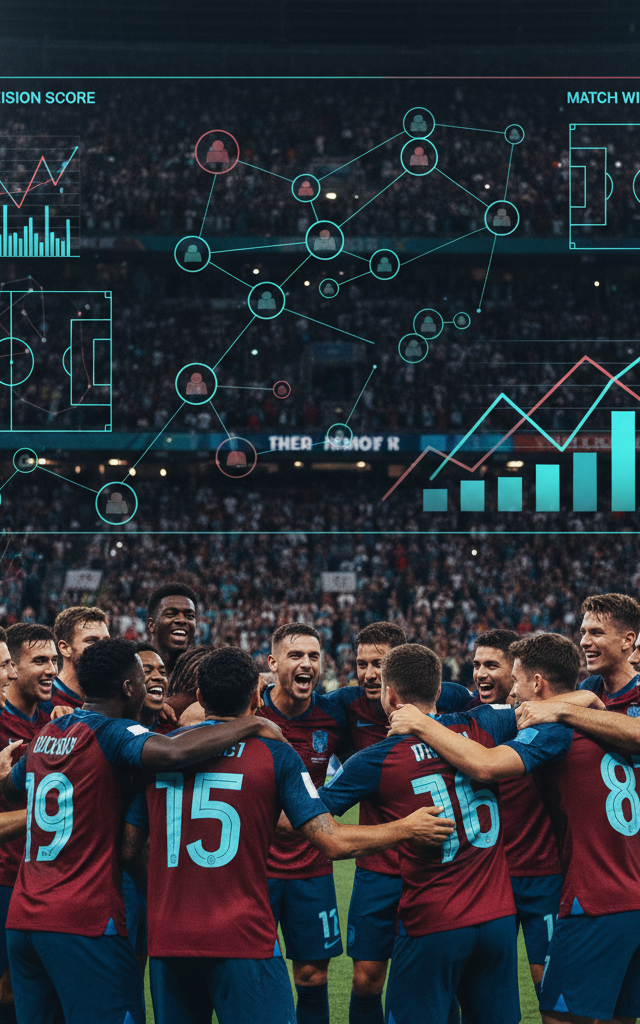

With the field narrowed down to Europe's elite clubs, every match becomes a high-stakes affair where tactical brilliance, individual moments of magic, and sheer determination separate champions from also-rans. This comprehensive preview examines the key matchups, analyzes team form, and provides expert insights into the betting opportunities that await.
Knockout Stage Format and Key Dates
The Champions League 2025/26 knockout stage follows UEFA's established format, beginning with the Round of 16 in February and culminating with the final in late May. The tournament's structure creates natural drama, with two-legged ties in the early rounds amplifying tension through home and away encounters.
The Round of 16 features group winners facing runners-up, with seeded teams enjoying the advantage of playing the second leg at home. This format has historically favored experienced sides who know how to manage crucial away performances while maximizing home support in decisive moments.
Key dates include the Round of 16 first legs scheduled for mid-February, return fixtures in early March, and quarter-final action extending into April. The semi-finals will determine finalists in late April and early May, building toward the showpiece final that represents European football's most prestigious prize.
Top Contenders and Their Paths to Glory
Several powerhouse clubs have emerged as genuine contenders based on group stage performances and squad depth. Manchester City continues to set the standard under Pep Guardiola, combining tactical sophistication with individual brilliance. Their group stage campaign demonstrated both attacking fluidity and defensive resilience, qualities essential for knockout success.
Real Madrid remains the competition's most successful club, bringing unmatched pedigree and clutch-game experience. Their ability to raise performance levels in crucial moments has become legendary, making them dangerous opponents regardless of group stage form. The Spanish giants possess veteran leadership and emerging talents who thrive under pressure.
Bayern Munich represents German efficiency at its finest, boasting squad depth that allows rotation without performance drops. Their domestic dominance provides confidence and rhythm heading into knockout fixtures, while their tactical flexibility under Thomas Tuchel offers multiple approaches against different opponents.
Paris Saint-Germain enters with renewed determination following previous disappointments, building squad chemistry around world-class talents. Their group stage performances suggested improved defensive organization while maintaining attacking threat through pace and creativity.
Tactical Trends Shaping Knockout Football
Modern Champions League knockout ties increasingly emphasize tactical flexibility and in-game adjustments. Successful teams demonstrate ability to shift formations, pressing intensity, and attacking patterns based on match situations and opponent responses.
High pressing has evolved from aggressive early engagement to intelligent selective pressure, conserving energy while forcing turnovers in dangerous areas. Teams like Liverpool and Manchester City excel at coordinated pressing triggers that create immediate scoring opportunities from defensive actions.
Counter-attacking remains potent against possession-heavy opponents, with rapid transitions from defense to attack catching teams in unbalanced moments. Real Madrid's recent successes exemplify this approach, using defensive discipline to create space for devastating counter-attacks through pacey forwards.
Set-piece excellence continues growing in importance, with marginal gains often determining knockout outcomes. Teams investing in specialized coaching and practice routines gain advantages in dead-ball situations, both defensively and offensively.
Just as strategic thinking drives Champions League success, similar analytical approaches enhance other competitive environments. The precision and adaptability required in elite football mirrors the strategic elements found in Speed Tables Explained – How Fast-Paced Live Casino Variants Are Attracting Younger Players, where quick decision-making and tactical awareness determine outcomes.
Form Analysis and Injury Concerns
Current form entering knockout stages varies significantly among qualified teams, with some hitting peak performance while others face concerning dips. Domestic league performance provides indicators, though Champions League football often brings elevated intensity that can mask or amplify underlying issues.
Manchester City's recent domestic form shows occasional vulnerability, particularly in defensive transitions, though their core quality remains undeniable. Key players returning from injury could strengthen their knockout prospects significantly.
Bayern Munich's Bundesliga dominance continues, but their defensive record shows occasional lapses that elite opponents might exploit. Their attacking output remains impressive, creating numerous chances through varied approaches.
Real Madrid's La Liga campaign demonstrates resilience and experience, with veteran players managing workloads effectively while younger talents contribute increasingly. Their injury list remains manageable, preserving tactical options for crucial fixtures.
Injury situations evolve rapidly, particularly during winter months when fixture congestion intensifies. Teams with superior squad depth gain advantages when star players face fitness concerns, making rotation policies crucial for sustained success.
Betting Markets and Value Opportunities
Champions League knockout stages create diverse betting opportunities beyond simple match outcomes, with specialized markets reflecting tactical nuances and historical patterns. Understanding these markets requires combining statistical analysis with tactical knowledge and current form assessment, much like the detailed analytical approach outlined in UFC Betting for Beginners – How to Read MMA Odds, Analyse Fighters, and Identify Value.
Outright winner markets traditionally favor established powerhouses, though value often emerges in teams showing improved form or favorable draws. Historical data suggests certain clubs perform consistently better in knockout scenarios, regardless of group stage struggles.
Match result betting benefits from understanding home and away form differences, particularly in first legs where conservative approaches often dominate. Teams with strong defensive records frequently justify under goals positions, especially in first encounters.
Player performance markets gain popularity through detailed statistical tracking, allowing bets on goalscoring, assists, and defensive actions. Key players often elevate performance levels in knockout fixtures, creating opportunities for astute observers.
The strategic complexity of professional sports betting shares similarities with other skill-based competitive formats. Just as Champions League analysis requires understanding multiple variables, success in Megaways Mechanics Explained – How Variable Reels Work and the Best Megaways Titles in 2026 depends on comprehending dynamic systems and adapting strategies accordingly.
Key Matchup Previews and Predictions
Several Round of 16 matchups promise exceptional quality and entertainment value, featuring contrasting styles and tactical approaches that should create compelling viewing and betting opportunities.
Manchester City versus Atletico Madrid represents tactical chess between possession-based attack and defensive organization. City's ability to break down compact defenses faces Atletico's proven knockout expertise and counter-attacking threat through quick transitions.
Real Madrid against Liverpool recreates recent final encounters with both teams seeking redemption from previous disappointments. Liverpool's high-intensity pressing meets Madrid's experience and individual quality in what promises tactical fireworks across both legs.
Bayern Munich facing Paris Saint-Germain brings together European giants with point-to-prove mentalities, combining German efficiency against French flair. Both teams possess game-changing individuals capable of decisive moments in tight encounters.
These marquee fixtures demonstrate Champions League knockout stage quality, where tactical preparation meets individual brilliance in determining progression. Form guides and statistical analysis provide frameworks, but knockout football's unpredictable nature ensures surprises remain possible.
Tournament Outlook and Final Predictions
The Champions League 2025/26 knockout stage promises exceptional quality across all rounds, with multiple legitimate contenders possessing realistic championship aspirations. Squad depth, tactical flexibility, and experience managing pressure situations will likely determine eventual success, particularly as tournament structures continue evolving like the comprehensive changes explained in The 48-Team World Cup Format Explained – New Schedule, Bracket Structure, and What Changes for Bettors.
Manchester City's combination of tactical sophistication and individual quality positions them as slight favorites, though their knockout record suggests vulnerabilities against experienced opponents. Their attacking output remains formidable, but defensive consistency needs improvement.
Real Madrid's pedigree and clutch-game mentality cannot be underestimated, particularly if key players maintain fitness through demanding fixture periods. Their ability to raise performance levels in crucial moments provides confidence regardless of group stage form.
Bayern Munich represents consistent excellence with squad depth enabling rotation without performance drops, though their defensive record suggests potential vulnerabilities against elite attacking sides.
The tournament's unpredictable nature ensures dark horses remain viable, with tactical innovation and individual brilliance capable of overturning conventional wisdom. Previous knockout stages have demonstrated that form, preparation, and crucial moments often matter more than reputation or statistical superiority.